
-

- 22nd May, 2026 08:22 am
- Agriculture & Food Security
- 95 views
When Women Build, Communities Rise: Inside the DARE SMART MOM Journey
In Gushegu, women are transforming agriculture, clean energy, and local economies through the DARE SMART MOM Project. Supported by Diva Fam, UNESCO, and the Mastercard Foundation, this initiative is proving that sustainable development begins when women gain access to skills, systems, and opportunity.
There’s a quiet kind of transformation happening in the fields of Gushegu.
It doesn’t make noise. It doesn’t trend. But it is changing lives.
Look closely at the photos in this workbook and you’ll see it — women bent over nursery beds, hands deep in soil, laughter between lessons, charcoal dust turning into clean energy, empty spaces becoming structured farms.
What you’re really seeing is not just agriculture.
You’re seeing possibility being rebuilt from the ground up.
This is the heart of the DARE SMART MOM Project — an initiative led by Diva Fam, with support from UNESCO and funding from the Mastercard Foundation — working alongside women who have long been excluded from opportunity, yet never short of resilience.
More Than Farming — A System of Dignity
At first glance, the project appears to focus on three simple activities:
- Vegetable farming
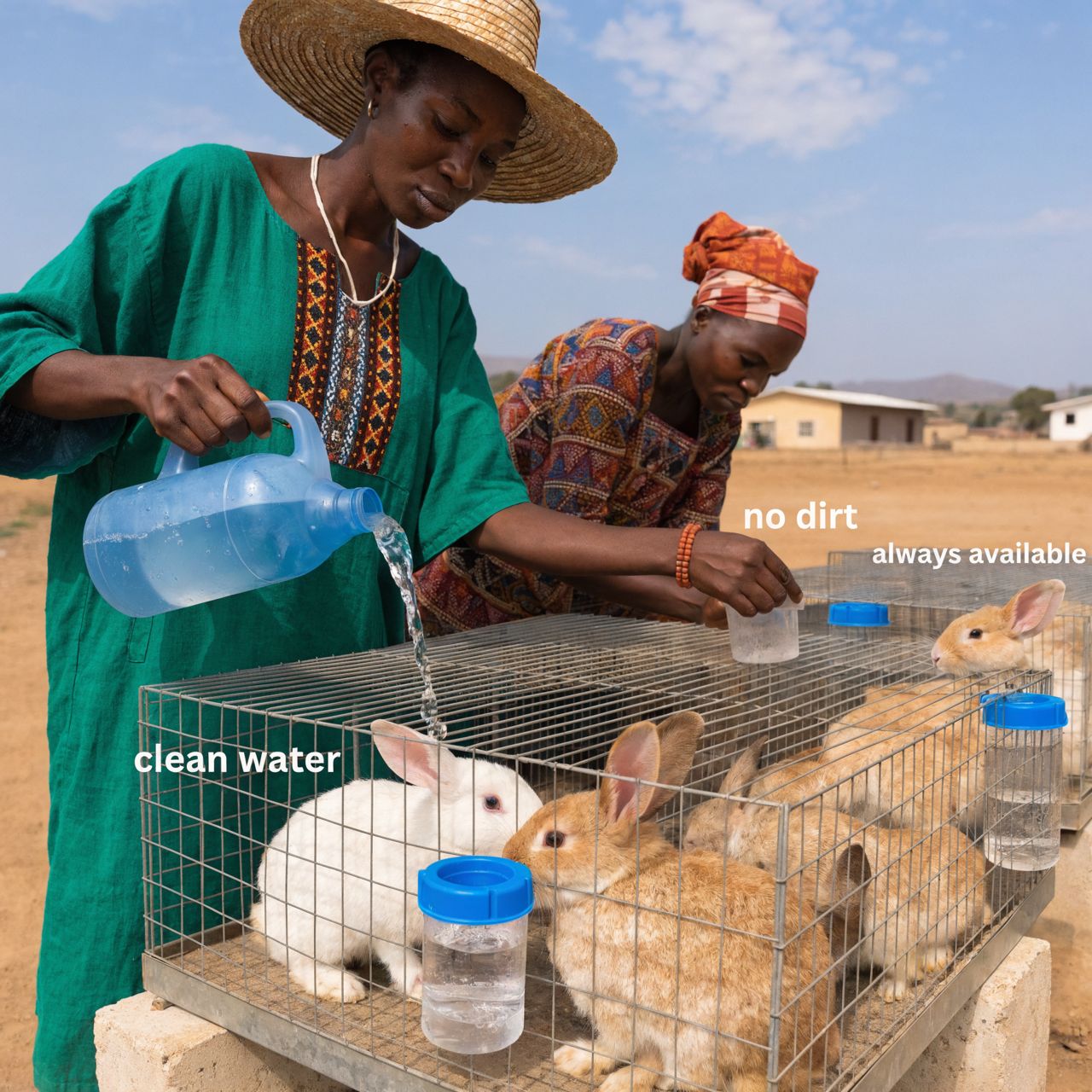
- Rabbit rearing
- Briquette production
But spend a day on the ground and you’ll quickly understand — this is not just about farming.
It is about control over income, food, and future.
Vegetable beds are not merely rows of crops; they are a direct response to food insecurity and unstable markets.
Rabbit hutches are more than structures; they are scalable income systems women can manage independently.
Briquettes are not just fuel; they are a clean, affordable alternative to charcoal that protects both health and the environment.
Each component connects.
Each component strengthens the other.
And most importantly, each woman becomes part of a system designed to work for her — not against her.
The Power of Showing Up
Two hundred women learning how to prepare nursery beds.
Fifty women transforming agricultural waste into energy.
One hundred and fifty women stepping confidently into livestock production.
But numbers alone do not tell the full story.
The real story is in the consistency — showing up for training after long days, navigating distance and cost, and choosing to learn something new in environments where opportunity is often uncertain.
There is leadership forming here.
Quiet. Grounded. Practical leadership.
And it matters.
Because when women gain skills, they do more than earn income — they stabilize households, support children’s education, and strengthen local economies.
Innovation Beyond Technology
Innovation is often reduced to apps, software, and digital platforms.
But here, innovation also looks like:
- Turning waste into briquettes
- Using irrigation systems to overcome unpredictable weather
- Building cooperative systems that allow women to save, borrow, and grow together
At the same time, another important shift is taking place.
Women are being introduced to digital literacy and structured systems that connect them to broader opportunities and markets.
This is where positive AI has a role to play.
Artificial Intelligence, when used responsibly, is not here to replace people. It is here to support thinking, improve decision-making, and unlock access to knowledge that was once out of reach.
From improving farming practices to market access, from financial planning to training systems — AI can amplify the impact of grassroots initiatives like this.
But only when it is used intentionally.
Only when it remains human-centered.
And only when it respects the realities of the communities it aims to serve.
The Work Behind the Progress
What photos do not always show are the challenges behind the progress.
Mobilizing participants across communities requires time, trust, and resources.
Strong winds have damaged infrastructure more than once.
Critical systems — storage, logistics, and production efficiency — are still being developed.
But progress is not the absence of difficulty.
Progress is the ability to adapt, reinforce, and continue moving forward.
And that is exactly what is happening here.


Why This Matters Now
Across Africa, conversations around women empowerment, sustainable agriculture, climate-smart farming, clean energy solutions, and rural development are growing louder.
But real change does not happen through conversation alone.
It happens in places like Gushegu — where women are not waiting for opportunity, but actively building it.
What These Photos Really Represent
This workbook is more than documentation.
It is:
- Evidence of participation
- Proof of execution
- A record of systems being built in real time
Most importantly, it is a reminder that impact is not abstract.
It is visible.
It is practical.
And it is measurable.
Looking Ahead
The next phase is clear:
Moving from preparation to production.
From learning to earning.
From systems to scale.
The foundation is already in place.
Now the focus is on strengthening it — expanding market access, improving efficiency, and ensuring that every woman involved experiences tangible, lasting returns from her effort.
Final Thought
Real development work is not about quick wins.
It is about building structures that outlive funding cycles, projects, and headlines.
What is happening in Gushegu is steady, intentional, and deeply human.
And that is exactly why it will endure.
Abdul-Hafiz Wuninsu
I am a software developer and ICT facilitator passionate about building impactful technology solutions for education, youth empowerment, and digital innovation in Africa.
to comment login Or continue with:
Leave a Comment